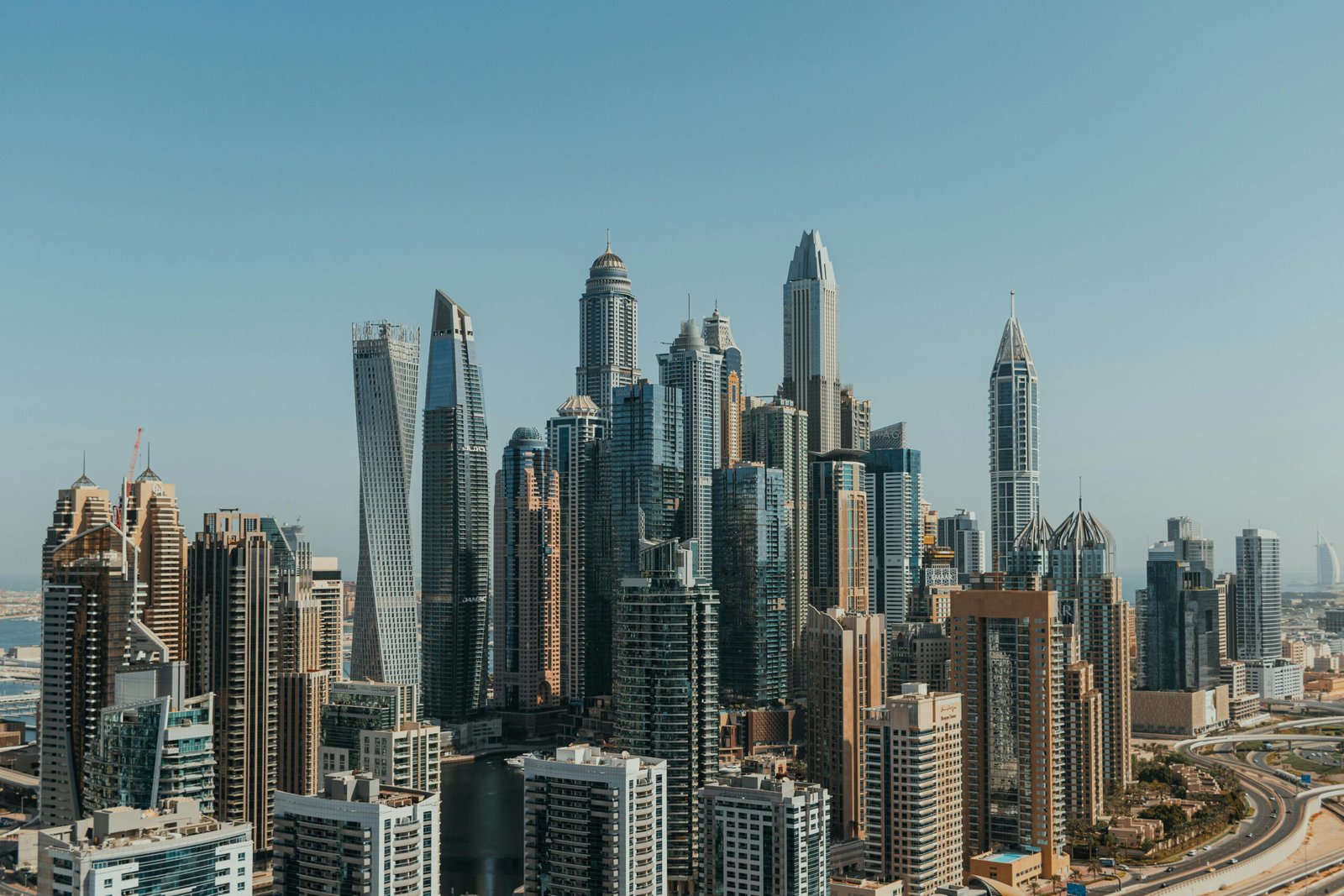
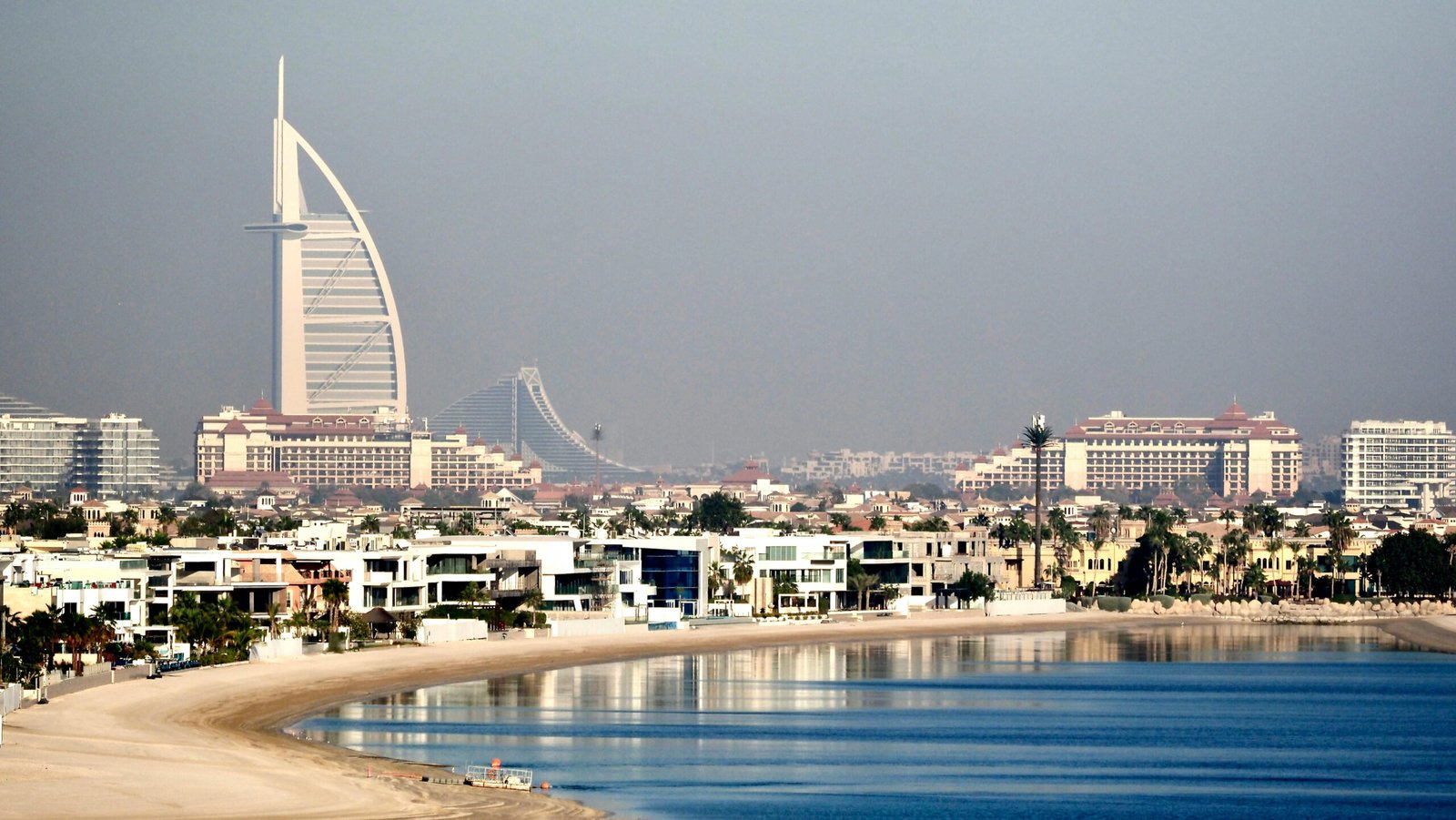
Dubai’s real-estate market is entering 2026 from a position of strength, but with clear signs of evolution. After several years of rapid growth, the market is transitioning toward steady demand, selective price cooling in certain segments, and increased adoption of technology across development, sales, and property management.
Rather than signaling weakness, experts describe this phase as a move toward maturity and sustainability.
Demand Remains Strong Across Key Segments
Despite expectations of moderation, demand for Dubai real estate remains resilient, supported by:
-
Continued population growth and inward migration
-
Strong end-user participation
-
Ongoing inflows of global investors and high-net-worth individuals
-
Dubai’s appeal as a lifestyle, business, and wealth-preservation hub
Prime residential communities, villas, branded residences, and well-located apartments are expected to maintain healthy transaction activity throughout 2026.
Selective Cooling, Not a Market Slowdown
Market analysts anticipate selective cooling rather than a broad correction. Cooling is most likely in:
-
Over-supplied off-plan apartment segments
-
Projects with weaker locations or limited differentiation
-
Short-term speculative inventory
In contrast, prime and low-density communities, especially villas and waterfront properties, are expected to remain price-resilient due to limited supply and strong end-user demand.
End-Users Drive Market Stability
One of the most important shifts heading into 2026 is the growing dominance of end-users over speculators. Buyers are increasingly focused on:
-
Long-term livability
-
Community quality and amenities
-
Accessibility to schools, workplaces, and lifestyle destinations
This trend is reducing volatility and supporting more sustainable price behaviour across residential markets.
Technology Reshapes Dubai Real Estate
Technology is set to play a defining role in Dubai’s real-estate landscape in 2026. Key developments include:
-
Greater use of AI and data analytics for pricing and demand forecasting
-
Digital property transactions and blockchain-enabled processes
-
Smart-home integration and tech-enabled buildings
-
Enhanced proptech platforms improving transparency and efficiency
Developers and brokers adopting technology are expected to gain a competitive edge in an increasingly sophisticated market.
Investor Strategy Shifts to Fundamentals
As the market matures, investors are being advised to focus on fundamentals rather than rapid price gains. Successful strategies in 2026 are likely to prioritise:
This shift aligns Dubai more closely with mature global real-estate markets.
Outlook for 2026
Looking ahead, Dubai’s real-estate market is expected to:
-
Maintain steady transaction volumes
-
Experience moderate price growth rather than sharp spikes
-
Reward quality assets over speculative projects
-
Continue attracting global capital
The overall outlook points to a balanced, technology-driven, and end-user-led market cycle.
Conclusion
Dubai’s real-estate outlook for 2026 reflects a market entering its next phase of evolution. With steady demand, selective cooling, and accelerating adoption of technology, the emirate is moving toward a more sustainable and resilient property ecosystem—one that continues to appeal to investors, homeowners, and global buyers alike.